My Orchids Blooming in Our Living Room- April, 11, 2021
I
have always enjoy houseplants and indoor plants as a home decor since
we bought our first home in Kansas City, Missouri in the early 1960's. I
was not really aware, conscious and knowledgeable how it improves your
health, until a few years ago when I started reading and searching the
Internet.
Today's blog is inspired when I
learned a few months ago that Macrine's(RIP) first cousin wife has started
decorating their beautiful condo in Makati with huge indoor plants.
Also, several months ago, I learned that my grand daughter in Graduate School in
the East Coast, is now into collecting houseplants in her apartment. So Houseplants is not only good for decor but also have health benefits. Do not forget to click on the video ( houseplant tour) at the this page.
Here
are eight houseplants that can help
solve a few common health-related problems. My two favorites are the
spider and snake plants. I have these two plants in our house for
several years now and are still thriving.
1. Spider Plant
Photo Credit: You Tube
Spider
plants are great for removing formaldehyde from the air in your home.
This is the stuff that comes from all sorts of things you bring into
your home including paper bags, waxed papers, facial tissues, paper
towels, napkins, particle board, plywood paneling and synthetic
fabrics.
If you have poor
indoor air quality and not much of a green thumb, a spider plant may be
exactly what you need. It’s one of the easiest plants to care for and
can be kept in less sunny places in your home since it typically doesn’t
like to be placed under direct sunlight.
A spider plant can grow
in any type of soil and only needs to be watered occasionally. If you
can remember to water it often enough that its soil stays moist, then
that’s all you really need to keep this plant alive and thriving.
2. Aloe Vera
Several varieties of Aloe Vera- I have three of them in Marinduque( CDM)
Chances
are you’ve probably heard of or used commercially sold medicinal creams
or ointments that say they contain aloe vera on their labels. Despite
a lack of scientific evidence that aloe vera has any substantial healing
properties, it’s been used for thousands of years as a common natural
remedy to soothe irritated skin.
The clear, gel-like substance found in the inner part of the leaf can be applied directly to the skin. According to WebMD,
people typically use it to help treat burns, sunburn, frostbite,
psoriasis and cold sores. Make sure you speak to your doctor first in
case you have any allergies.
Aloe vera plants need to be
deeply watered and their soil left to dry just slightly (about 1 to 2
inches deep) between watering. They do very well with lots of sun but
can turn brown if they get too much of it, so keeping your aloe vera
plant under indirect sunlight is best.
3. Lavender
Lavender
is a flowering plant that has a very gentle and pleasant aroma. Best
known for its stress-relieving mental benefits, the scent of lavender is
often used in spa products like bath salts, skincare creams, soaps and
candles.
You can place a lavender plant anywhere in your home, but
putting it in your bedroom is especially helpful since it may help you
sleep better. Catching a whiff of lavender may help soothe restlessness,
nervousness, anxiety, depression and insomnia.
Lavender plants prefer well-drained soil and lots of sunlight.
They also need deep watering, but be careful not to water them very
often. Aim to water your lavender plant when the soil is nearly dry.
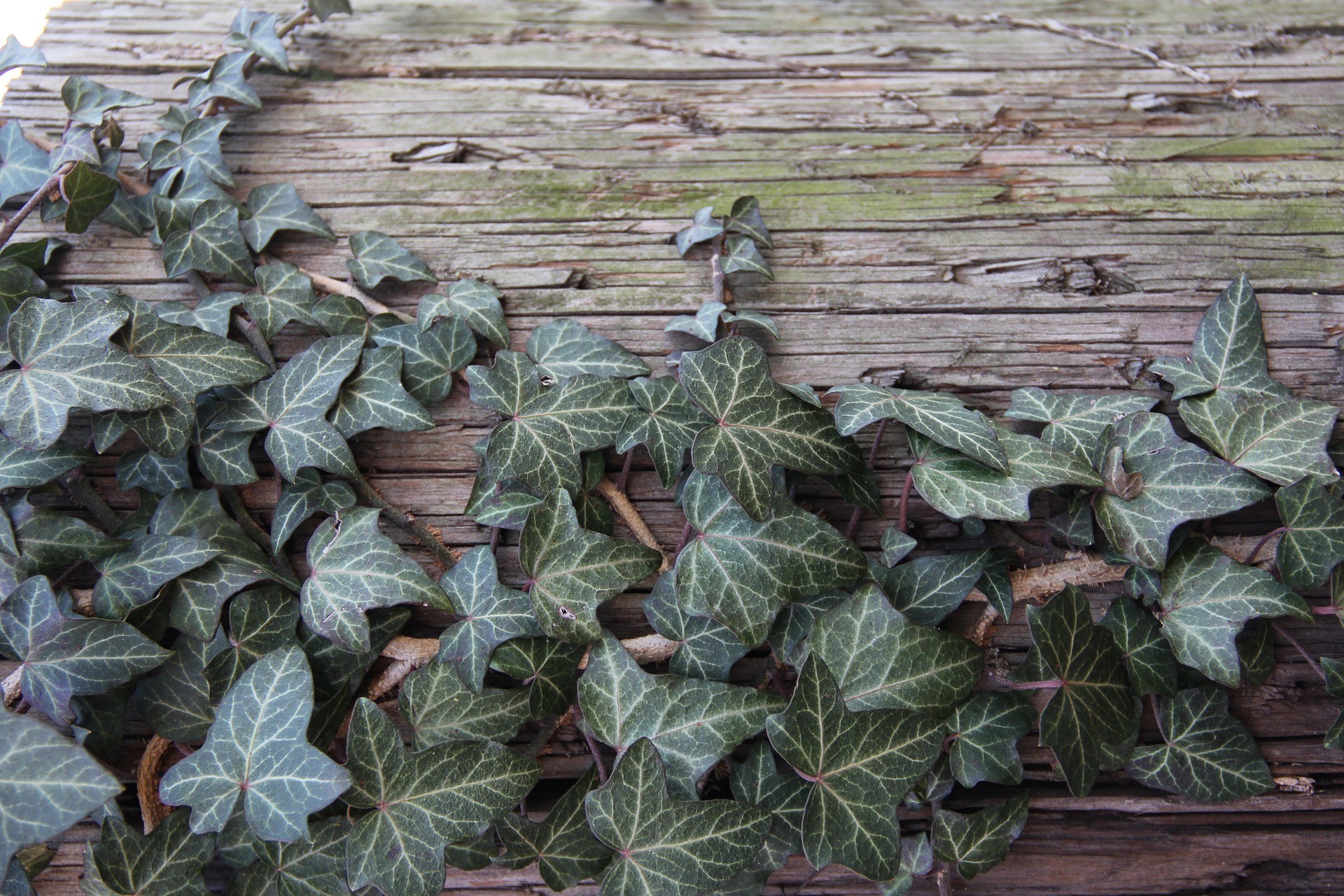
4. English Ivy
Nobody
ever wants to think about the possibility of mold thriving in their
home. If you’re worried about it, bringing an English ivy plant into
your home can help you rest easy since it’s well-known to purify up to 94 percent of airborne mold particles that can trigger allergies.
Like
the aloe Vera plant, English ivy is another great plant to put in your
bedroom. If you have asthma or difficulty breathing at night, it can
help you breathe easier and get a restful night’s sleep.
Be aware
that English ivy is poisonous, so it should be kept well out of reach
from children and pets. The plant thrives under fluorescent light but
not direct sun, so it’s the perfect houseplant for darker than normal
bedrooms with artificial light. Soil should be kept most at all times,
but not soggy.
5. Snake Plant
Another
great houseplant for the house is the snake plant (also known as the
“Mother-in-Law’s Tongue”). It is one of the most popular choices for
improving indoor air quality and easy to grow inside. It actually gets most of its job done at
night, converting carbon dioxide into oxygen as you sleep.
Snake plants also remove all sorts of toxins from the air
including trichloro ethylene, formaldehyde, toluene, benzene and xylene.
To optimize its air purifying power throughout your entire home, you’ll
likely need more than one plant. Plan to get anywhere from 6 to 8 snake
plants that are of waist-high height for optimal air purification.
Considered
to be one of the easiest plants to care for, snake plants do great when
placed under indirect sunlight. You really don’t have to water them
much at all, and they’ll actually grow better if you let them dry out
quite a bit between watering.
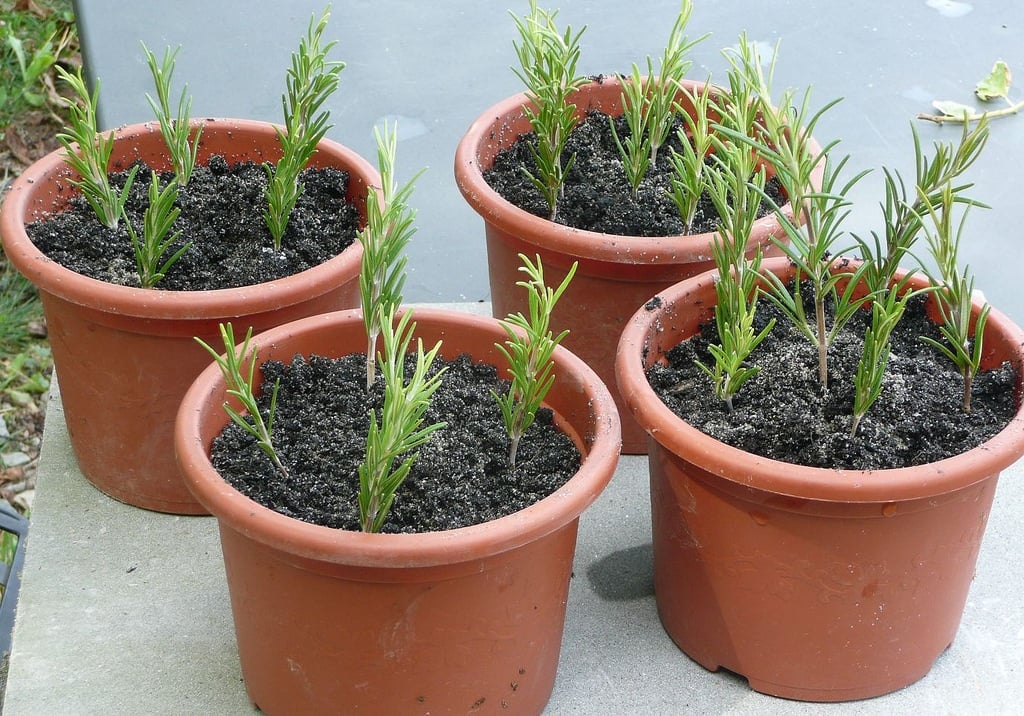
6. Rosemary
Rosemary
is an herb that’s been used in folk medicine for centuries to help
improve concentration and memory. It turns out that there may be some
merit to this claim since a study conducted by Northumbria University
found that people who were exposed to the scent of rosemary essential
oil performed better on questionnaires compared to people who were
exposed to no scent at all.
The memory-boosting component of rosemary is thought to
be caused by a compound called 1,8-cineole, which may cause increases in
a neurotransmitter called acetylcholine. Although you may be able to
take advantage of a more potent scent by using rosemary essential oil
with a diffuser in your home, it doesn’t hurt to keep a rosemary plant
nearby in places like your home office or any other room where you could
use a mental boost.
Rosemary can be planted in a pot and put in
any spot where it has access to bright sunlight. It should be watered
evenly throughout the growing season, but will need less water in the
winter. Avoid over-watering and remember to trim your rosemary plant
after it flowers.
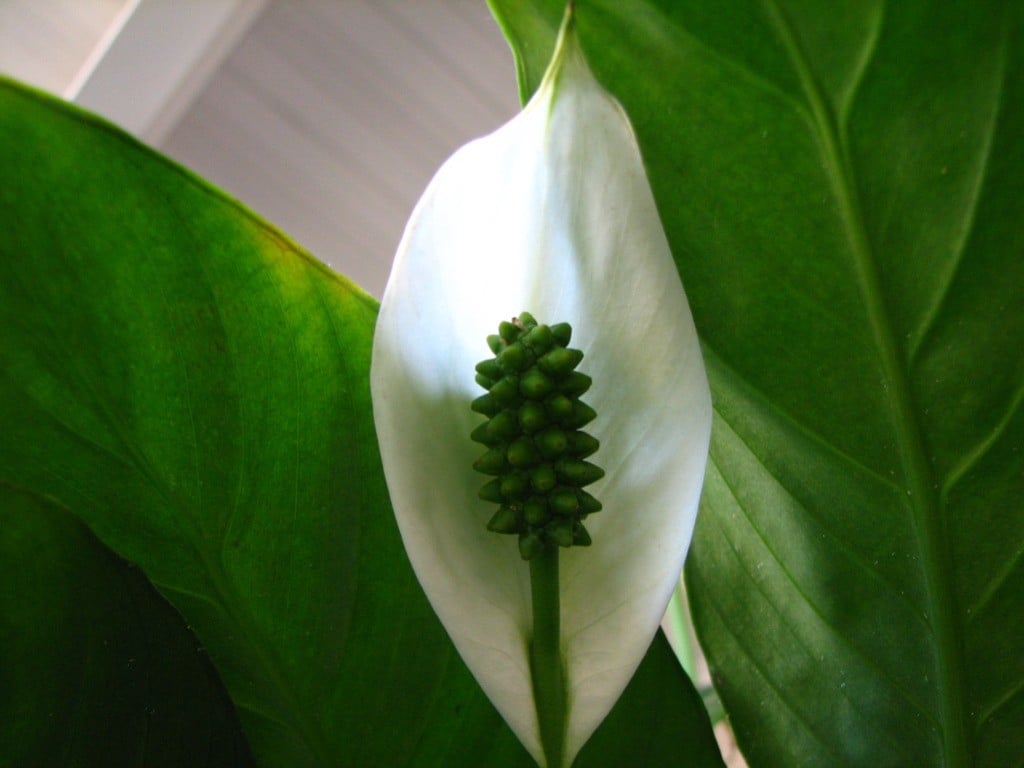
7. Peace Lily
Peace
lilies will really compliment your home decor in the summer when their
beautiful white flowers are in full bloom, but that’s not all that they
can do. This pretty and powerful houseplant is a master of air pollutant
removal – working hard to absorb ammonia, benzene, xylene, formaldehyde
and trichloroethylene throughout your home.
Since this is a
flowering houseplant, it will produce some pollen and a floral scent,
which isn’t always suitable for people with plant and pollen-related
allergies. With that in mind, peace lilies can make a gorgeous addition
to any dining table, side table or entryway table.
Peace lilies
should be planted in a pot with all-purpose soil and kept slightly most
throughout the entire year (without overwatering). They can thrive in
both low and bright light, but do best in shaded areas.
8. Boston Fern
If
you live in a location where humidity tends to be a problem, the Boston
fern may be the most ideal houseplant to bring into your home. Said to
be a natural humidifier, Boston ferns are among the best air purifying
plants that also combat
formaldehyde, xylene and other unwanted toxins.Place
this type of fern in any air-conditioned room of your home. It may also
indirectly benefit any dry skin you may suffer from, which can often be
a side effect of highly air-conditioned indoor spaces.
Boston
ferns are easy to grow and prefer indirect sunlight, but you should
check the soil daily to make sure that it’s kept moist. They’re most
efficient in rooms kept at a cool temperature with a humidity level of
50 to 80 percent.
Never discount the power of what a simple and
innocent looking houseplant can do for your health. It’s worth doing
some further research on the type of plant you choose and how to care
for it if it means it will make a difference in how you feel.
Meanwhile enjoy this video of Popular House Plants in the Philippines
https://www.youtube.com/watch?v=WCaxFXrm580
My Orange Ice Plant in My Front Yard-April 7, 2021