My life story starting with my childhood years in the small town of Barotac Viejo, Iloilo, Philippines up to my retirement from the United States Food and Drug Administration, Center of New Drugs in 2002 and beyond. Some of the photos and videos in this site, I do not own. However, I have no intention in infringing on your copyrights.
I have 18 barrel cacti collection (see photo above). My Plan for 2025 is to give one of these to friends and relatives that have or will touched my life here at THD. I plan on keeping only 6 in my collection. So I have 12 to give away in the next 12 months. I hope if I offer to give you one, you will not refuse.
I have already given two cacti plants to my two relatives last week. They visited me and brought with them one of my favorite Filipino Dish- Kare-Kare. I have still a few to give away in the next 12 months.
Speaking of my Cacti Collection- This reminded me of my other plant collection in my younger years in the Philippines. I have a collection of Succulents/Cacti, Hibiscus, Bougainvillas and Orchids in my Gardens at Chateau Du Mer, Boac, Marinduque, Philippines. Here are my postings on these collections for your reading pleasure.
Meanwhile, I have also a posting on the Fruit Trees in My Orchard at Chateau Du Mer:
In my website . http://chateaudumer.blogspot.com
I described in detail the orchids, bougainvillas, bird of paradise, hibiscus and tropical shrubs that highlighted the 5 acres of landscape property of the Chateau Du Mer Beach Resort and Conference Center in Amoingon, Boac, Marinduque, Philippines. Besides the ornamentals, evergreens and blooming shrubs, I also planted mango, papaya, guava, rambutan, avocado , santol, duhat, cashew, jackfruit, tamarind and lanzones fruit trees. I also planted several varieties of citrus trees, pomelo, lucban, kalamansi, native oranges and lemon trees.
Jacopo Cardillo, known as Jago, is a famous contemporary sculptor from Anagni (Italy).
His reinterpretation of the Pietà, originally exhibited in the Church of the Artists in Rome, depicts a father holding the body of his son, evoking themes of love and loss. This marble sculpture took months to make. Some have called him the new Michelangelo for the skill and emotional power of his work
I saw an ad the other day of the availability of atis or sugar/custard apples in our local Asian store here in the Sacramento area for $3 each. This reminded me of an article I wrote a couple of years ago on the availability( although may be seasonal) and affordability of fresh tropical fruits in the Philippines. Here's my article on the subject of Popular Fruits of the Philippines.
A Few of My Avocado Harvests from the Orchards of Chateau Du Mer, Philippines
Some Filipino Fruits with their English Names
Here's a list of some popular seasonal fruits in the Philippines.
How many of these fruit have you tried?
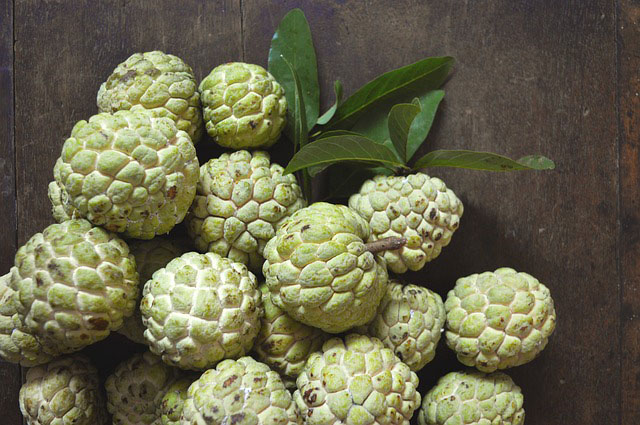
Atis (custard or sugar apple)
Atis is also known as custard or sugar apples. (Pixabay/Stock photo)
Atis
has lots of seeds that are coated with a soft sugary pulp that tastes
like custard. The sweet fruit is available from September to December.
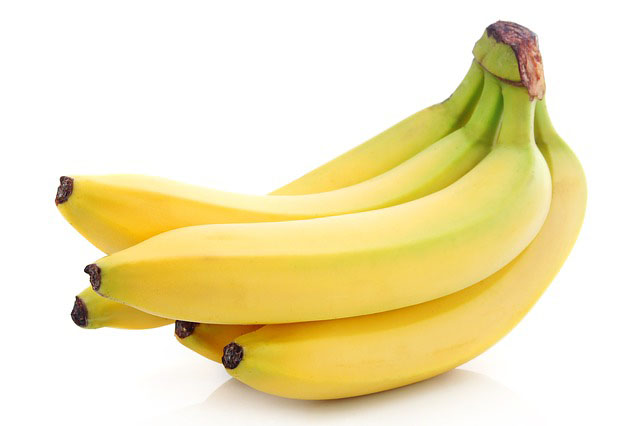
Banana
The country is one of the top producers of bananas. (Pixabay/Stock photo)
Banana
is considered the “most economically important fruit” in the country
since it is one of the locally-produced fruits available throughout the
year.
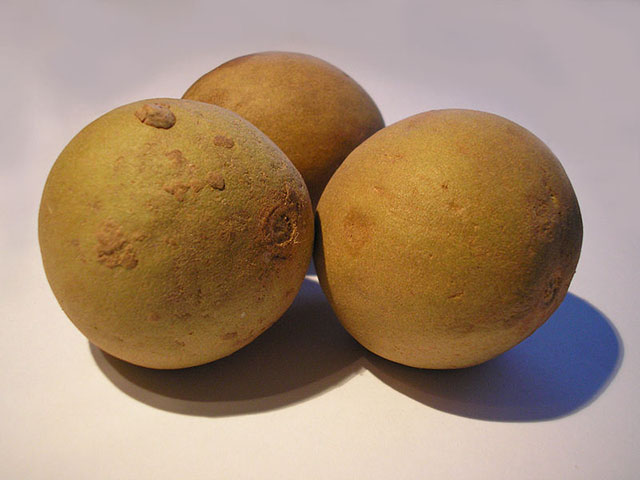
Chico (naseberry)
Chico is also called an energy fruit because of its high sugar levels. (Wikimedia Commons/Stock photo)
Chico
has a sweet and malty flavor that has an edible coat. It’s also called
an energy fruit because it has high levels of sugar. The fruit is
available every January and February.
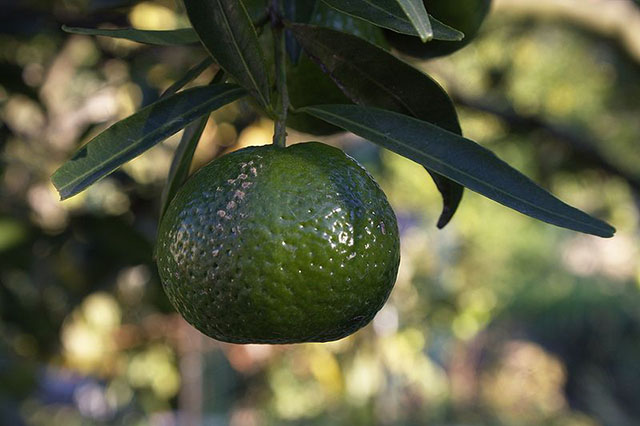
Dalanghita (mandarin orange)
Dalanghitas are known as a symbol of good fortune every Chinese New Year. (Wikimedia Commons/Stock photo)
Dalanghitas
are considered an important fruit around Chinese New Year because it
symbolizes good fortune. They are available from January to February and
October to December.
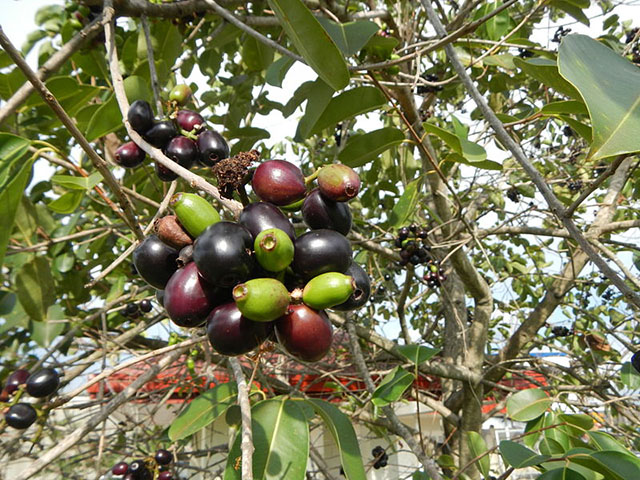
Duhat (Java plum)
Java plums are known to leave a “puckering” sensation in the mouth once eaten. (Wikimedia Commons/Stock photo)
The
duhat leaves a dark violet stain on the tongue when eaten. It is
likened to an astringent since it causes a “puckering sensation” in the
mouth. These are available from March to July.
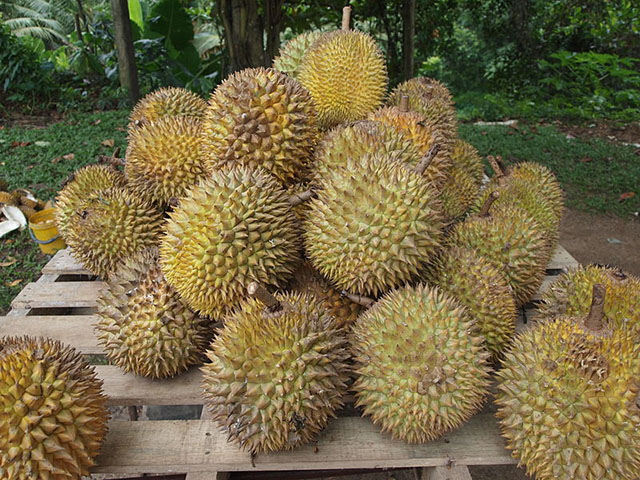
Durian
Durians
are notorious for their extremely strong smell but it’s also considered
the “King of Fruits.” (Wikimedia Commons/Stock photo)
Durians are notorious for being smelly
because of the mixture of several chemicals found in the fruit. Despite
this, they are known as the “King of Fruits” partly due to its size,
odor and prickly look. Durians are in season from August to October.
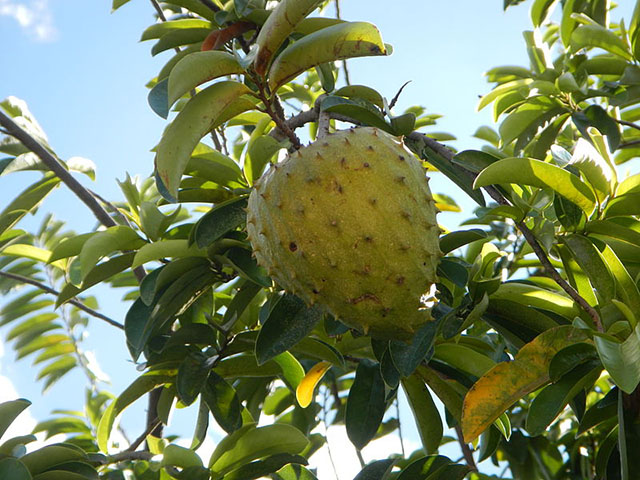
Guyabano (soursop)
Guyabanos are used to produce juice and sweets, among others. (Wikimedia Commons/Stock photo)
Guyabanos
have a sweet pulp that is used to make juice, candies and ice cream
flavorings. They are available from August to November.
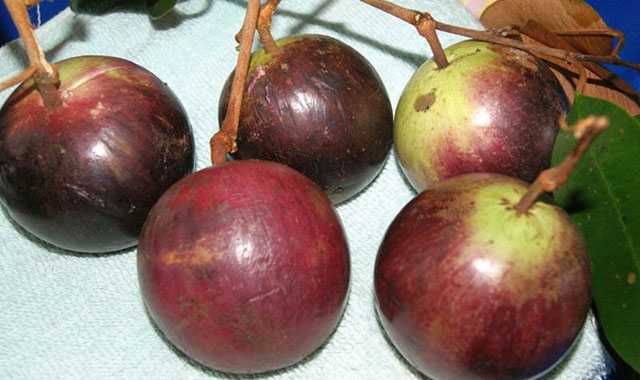
Caimito (star apple)
Caimitos (or “kaimitos”) are also known as star apples. (Wikimedia Commons/Stock photo)
Caimitos
are also known as star apples because of their star-like design when
sliced in halves. It consists of two colors — white and purple. Caimitos
are in season from January to March.
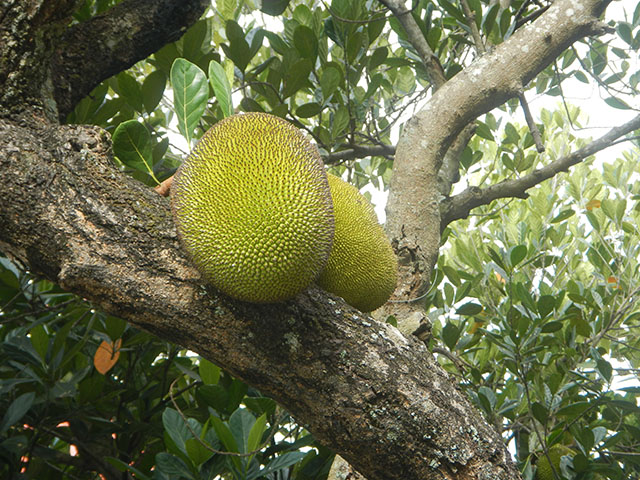
Langka (jackfruit)
Langkas are usually mixed in banana cue recipes. (Wikimedia Commons/Stock photo)
Langkas
are usually mixed in halo-halo or banana cue recipes because of their
sweet flavor. They are in season from March to May.
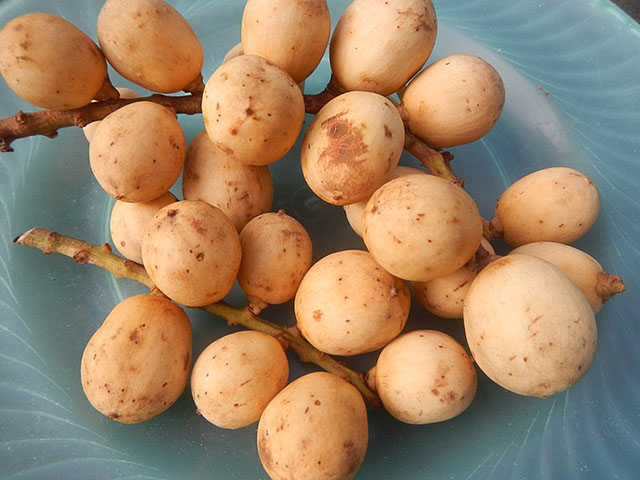
Lanzones
The seeds of lanzones are bitter but its fruit is a mix of sweet and sour. (Wikimedia Commons/Stock photo)
Lanzones
are known for its sweet and sour taste but it becomes bitter if you
taste its seed. They are available from August to December.
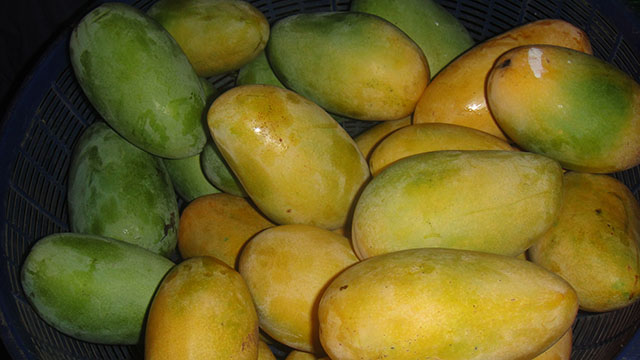
Mango
The mango is known as the national fruit of the Philippines. (Creative Commons/Stock photo)
The
mango is the national fruit of the country. One of its ripe varieties,
the champagne mango, is considered the sweetest mango in the world. It
is in season from March to June.
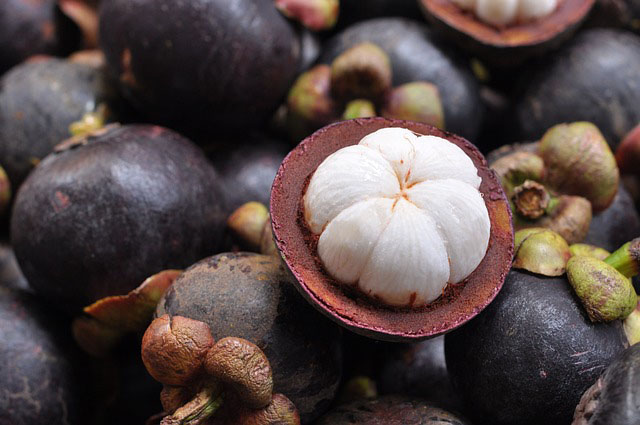
Mangosteen
The
mangosteen is known as the “Queen of Fruits” because it resembles a
queen’s crown when sliced in half. (Max Pixel/Stock photo)
If
durian is the “King of Fruits,” then mangosteen is the “Queen of the
Fruits” for its high antioxidant properties and crown-like shape once
sliced. They are available from June to November.
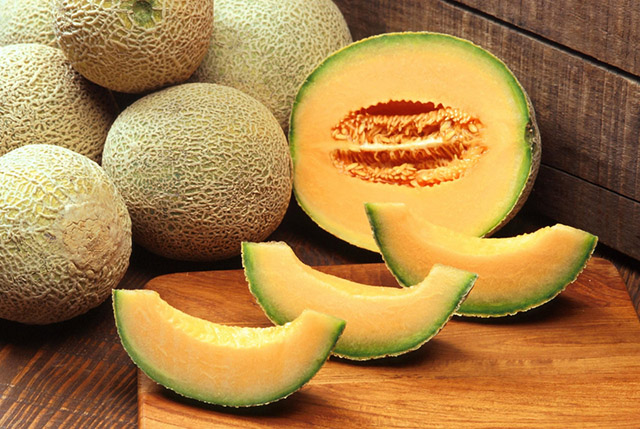
Melon
Melons are usually mixed in salads or prepared as a juice in time for summer. (Creative Commons/Stock photo)
Melons
are mixed with salads, halo-halo and sometimes even condensed milk. It
is also used to prepare juice that is usually a hit during summer. They
are available from April to July.
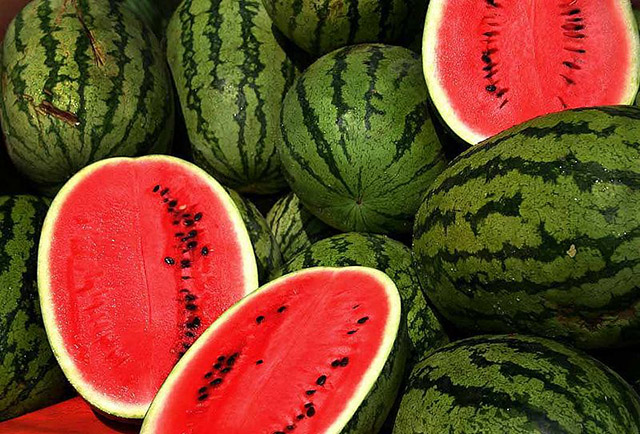
Pakwan (watermelon)
Pakwans are also known as dessert fruits. (Wikimedia Commons/Stock photo)
Pakwans
are popular as desserts and is best eaten during summer because of its
thirst-quenching properties. They are in season from March to July.
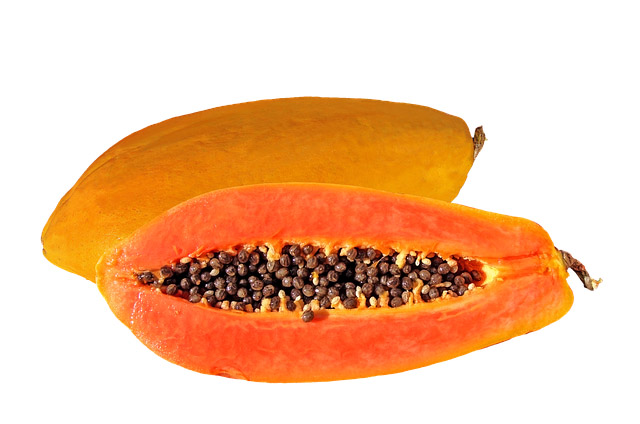
Papaya
Christopher Columbus reportedly called papaya the “Fruit of the Angels.” (Pixabay/Stock photo)
Papaya
was purportedly called the “Fruit of the Angels” by explorer
Christopher Columbus because of its sweet and soft, butter-like
consistency. It is in season throughout the year.
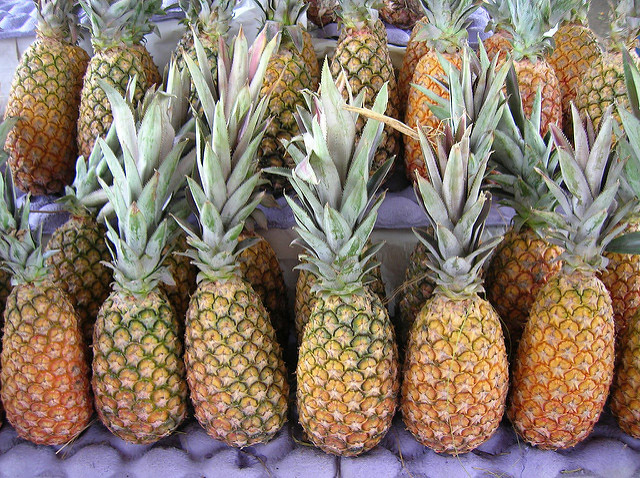
Pineapple
The Philippines is one of the largest producers of the tropical fruit. (Flickr/Victoria Rachitzky Hoch)
The
Philippines is the second largest producer of pineapples next to
Thailand. These fruits are exported to other countries as well.
Pineapples are in season from May to July.
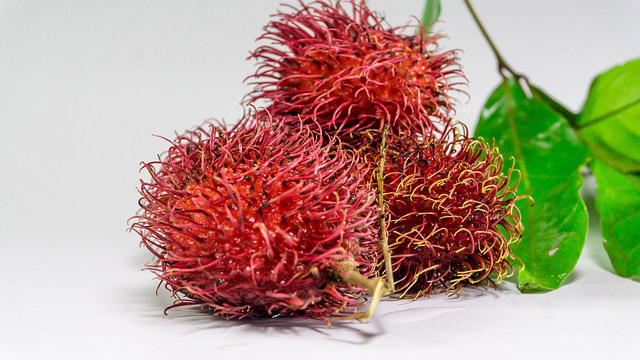
Rambutan
Rambutans may look like lychees but the former has seeds inside. (Pixabay/Stock photo)
The
fruit is similar to lychee but rambutan has a seed inside. It is best
eaten when it is bright red in color, which means it’s ripe and sweet.
They are in season from August to October.
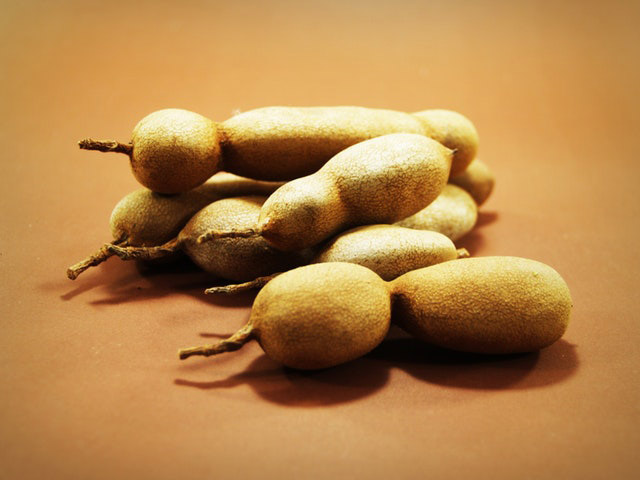
Sampaloc (tamarind)
Sampalocs are used as flavorings or prepared as candies with sugar. (Pexels/Stock photo)
Tamarinds
are usually used as a flavoring for savory dishes. They are also
prepared as sugar-coated local candies. These fruits are available from
October to December.
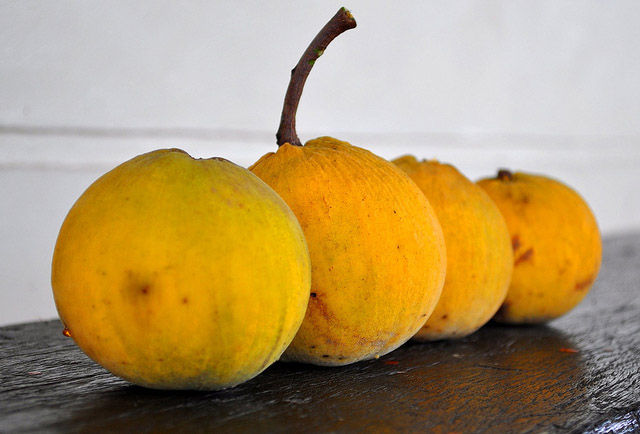
Santol (cotton fruit)
Santol is also known as a cotton fruit because of its white, cotton-like membrane inside the fruit. (Flickr/whologwhy)
It
is also known as a cotton fruit since there is a white cotton-like
membrane inside once it is peeled. Some locals eat it with salt to add
flavor. It is in season from July to September.
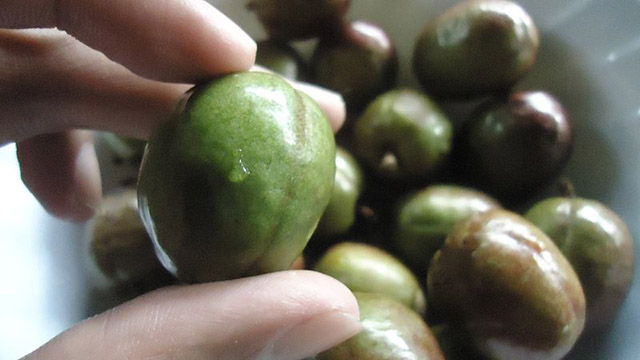
Siniguelas (Spanish plum)
Siniguelas
are also known as Spanish plums because they were introduced to the
Filipinos by the Spaniards during colonization. (Wikimedia Commons/Stock
photo)
Siniguelas are brought by the Spaniards
during the colonization period, hence the name. It contains antioxidants
that can help the body heal and repair. The fruit is available from
April to June.
Suha (pomelo)
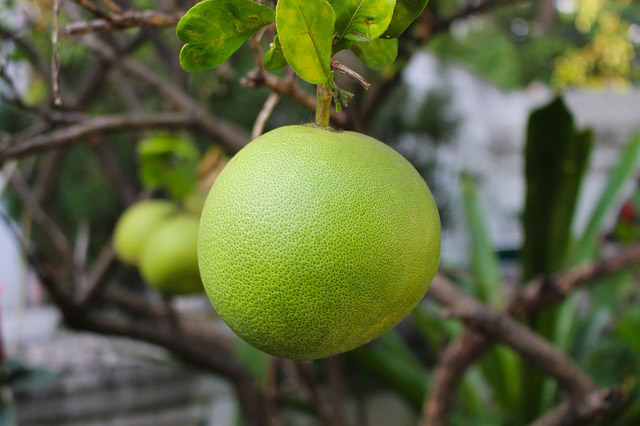
Pomelos are considered the largest fruit in the citrus family. (Pixabay/Stock photo)
Pomelos
are the largest fruit in the citrus family. They are also considered
the cousins of grapefruit. Like the santol, some people also eat it with
salt. These are available throughout the year.
With the exception of the Durian, I have all of these fruits in my orchard at Chateau Du Mer, Boac, Marinduque. Not in the above list are my avocado and guava trees. For a list of fruit trees in my orchard in the Philippines visit:
Fruit Stand in the Philippines-This fruit tianggi (stand) reminds me of my orchard in Marinduque specifically at our retirement property, we named Chateau Du Mer.
The soil and climate of Marinduque, Philippines is excellent for growing tropical and exotic fruits. Among the fruits in my orchard are mangoes( 3 varieties), bananas( four varieties), papayas( four varieties), guayabano( sour sop), atis(sugar-apple), rambutan, lanzones, duhats(wild prunes), jack fruit(langka), star apples, balimbing( star fruit), cashews, guavas, chico(manilkara sapota or sapodilla), santol(wild mangosteen), pomelo(lucban) and calamansi( chinese orange). I tried growing Durian, but typhoon Reming killed my two young trees about 4 years ago. I have a wild duhat tree that did not also survive from the typhoons that passed the island on a yearly basis.
1. Mango Fruit starts to ripen on the tree
2. Lanzones Fruits
3. Papaya Tree loaded with ripe and green Fruits
4. Green Mangoes almost touching the Ground
5. Young Guava Fruits
6. Avocados Galore
Atis Fruit
Santol Fruits
Young jackfruit in my backyard in Amoingon, Boac, Marinduque, Philippines
Inside the star apple fruit
Cashew fruit in the Tree
Chico Fruit in the Tree
I have 2 pomelo trees in my backyard
I have four calamansi( calamondin) trees in my orchard
8. A Purple One( not as dark as my Princess Mikasa variety)
9. An ordinary terrestial orchid
10. Heleconias
11. White and Purple Bougainvillas
12. Bird of Paradise on my Side Yard
In my website http://chateaudumer.blogspot.com, I described in detail the orchids, bougainvillas, bird of paradise, hibiscus and tropical shrubs that highlighted the 5 acres of landscape property of the Chateau Du Mer Beach Resort and Conference Center in Amoingon, Boac, Marinduque, Philippines. Besides the ornamentals, evergreens and blooming shrubs, I also planted mango, papaya, guava, rambutan, avocado , santol, duhat, cashew, jackfruit, tamarind and lanzones fruit trees. I also planted several varieties of citrus trees, pomelo,lucban, kalamansi, native oranges and lemon trees.
When typhoon Reming hit Marinduque Island in 2006, ten coconut trees, two mango trees as well as a dozen papayas were uprooted. I replaced them by the dwarf and semi-dwarf varieties. Today, the dwarf coconuts and fruit trees are doing well under the full time care of our gardener, Edwin Laririt and wife Cecille. The above pictures are some of the photographs I have in my collection. Enjoy the photographs. My mouth is salivating now just looking at the mango, papaya and lanzones fruits. Drop by Chateau Du Mer to enjoy my flower garden and fruit orchard when you visit Marinduque- my island paradise and heaven on earth.